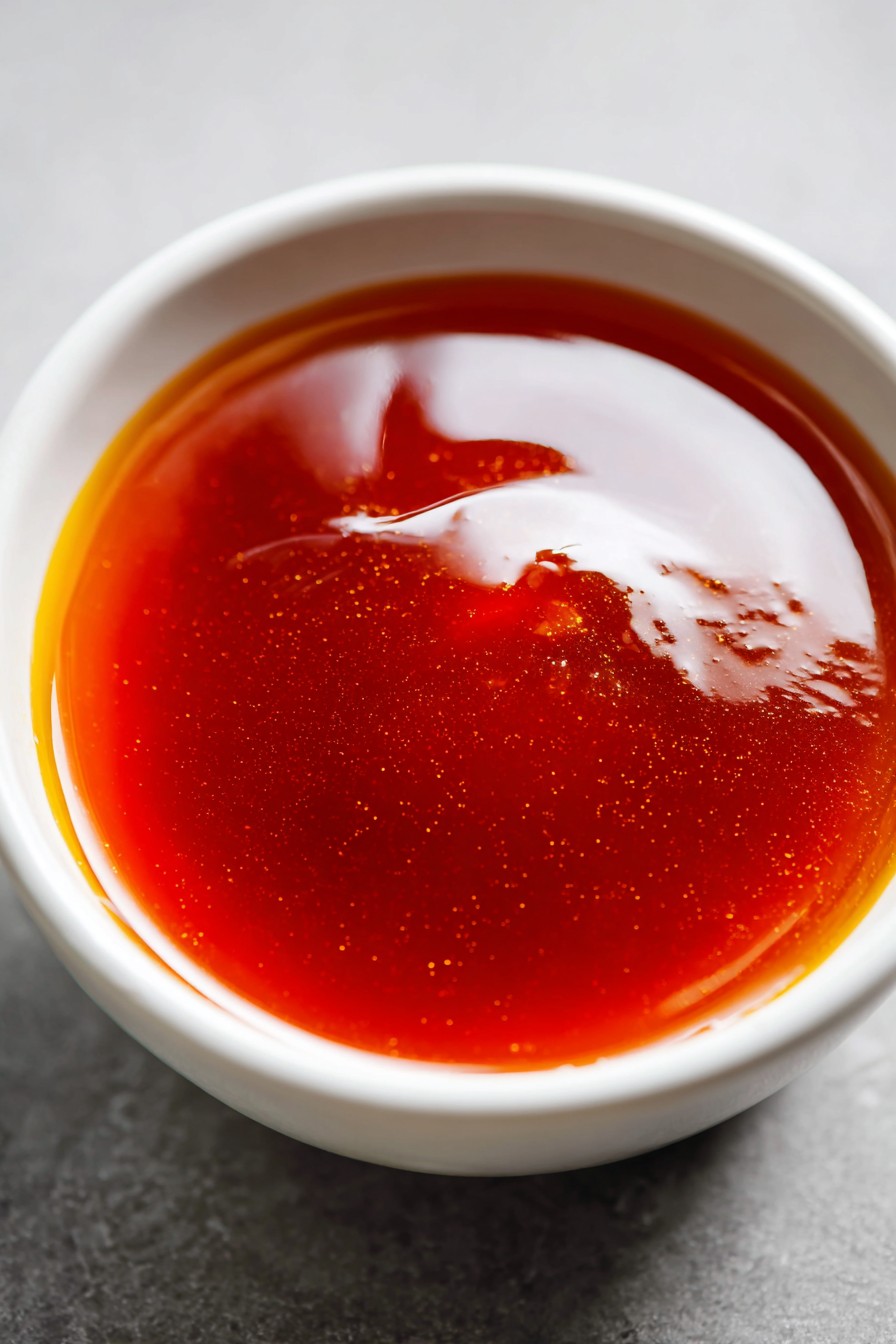
Restaurant-Worthy Sweet & Sour Sauce: Easy Homemade Recipe
The vibrant, tangy-sweet flavor of a perfectly crafted
sweet and sour sauce is a cornerstone of Asian cuisine, evoking memories of delicious takeout and satisfying restaurant meals. But what if we told you that achieving that authentic, mouth-watering taste is not only possible but incredibly easy to do right in your own kitchen? Forget bland, overly sugary store-bought versions; this guide will unlock the secrets to creating a restaurant-worthy sweet and sour sauce that will elevate your home cooking and impress even the most discerning palates. Prepare to transform simple ingredients into a versatile condiment that's perfect for dipping, glazing, marinating, and so much more.
Why Homemade Sweet and Sour Sauce Reigns Supreme
Opting for a homemade
sweet and sour sauce isn't just about saving a few dollars; it's about unlocking a level of flavor, freshness, and control that pre-made alternatives simply can't match. When you craft this delectable sauce yourself, you gain several distinct advantages:
*
Unrivaled Freshness and Flavor Control: The biggest benefit of making your own is the ability to adjust the balance of sweet and sour to your exact preference. Prefer it a bit tangier? Add more vinegar. Craving extra sweetness? A touch more sugar will do the trick. You also avoid the sometimes-stale taste of bottled sauces.
*
Cost-Effective Convenience: This recipe relies on common pantry staples – sugar, water, vinegar, soy sauce, cornstarch, and ketchup. You likely have most, if not all, of these ingredients on hand already, making it an incredibly economical choice.
*
Lightning-Fast Preparation: Forget lengthy cooking times. Many homemade sweet and sour sauce recipes, including this one, can be whipped up in under 10 minutes – some even in just 5! This makes it a perfect addition to a busy weeknight dinner. If you're looking for an even quicker solution for busy weeknights, don't miss our
Minute Sweet & Sour Sauce: Your Easy Takeout Fix.
*
No Mystery Ingredients: Concerned about artificial colors, preservatives, or high-fructose corn syrup? Making your own sauce puts you in charge. You know exactly what goes into it, allowing you to choose organic ingredients, low-sodium options, or even alternative sweeteners if desired.
*
Dietary Flexibility: Easily adapt the recipe to suit various dietary needs. For a gluten-free version, simply use tamari or coconut aminos instead of traditional soy sauce and ensure your ketchup is also gluten-free.
This Westernized version of
sweet and sour sauce, popular in many American and European restaurants, offers a delightful balance that perfectly complements a wide array of dishes. It's truly a game-changer for home cooks.
The Essential Ingredients for Your Perfect Sweet and Sour Sauce
The beauty of a fantastic
sweet and sour sauce lies in its simplicity. With just a handful of readily available kitchen staples, you can create a condiment that rivals your favorite restaurant's offering. Here’s a detailed look at the core components and how they contribute to the sauce’s incredible flavor profile:
*
Sweetener (Sugar): Sugar is the heart of the "sweet" in sweet and sour. While granulated white sugar is standard, you can experiment with light or dark brown sugar for a richer, more molasses-like undertone. Some recipes even use pineapple juice for a natural sweetness and fruity note. The choice of sweetener can subtly alter the depth and complexity of your sauce.
*
Liquid Base (Water): Simple and essential, water helps to dissolve the other ingredients and forms the bulk of the sauce. It's the medium that allows all the flavors to meld beautifully.
*
Acidity (Vinegar): This is where the "sour" comes in! Rice wine vinegar is a popular choice for its mild, slightly sweet acidity, making it ideal for many Asian-inspired dishes. However, apple cider vinegar can be a fantastic substitute if that's what you have on hand, offering a slightly fruitier tang. For a bolder flavor, some might even use white vinegar sparingly.
*
Umami and Savory Depth (Soy Sauce): Soy sauce provides a crucial layer of savory, umami flavor that balances the sweetness and acidity. We highly recommend using low-sodium soy sauce to maintain control over the overall saltiness of your sauce. For those avoiding gluten, coconut aminos are an excellent gluten-free alternative that still delivers that essential savory kick.
*
Thickener (Cornstarch): Cornstarch is the magic ingredient that gives your sauce its characteristic silky-smooth, glossy texture. It's dissolved in a small amount of cold water to create a "slurry" before being added to the hot liquid, preventing lumps and ensuring a beautifully thickened consistency.
*
Flavor and Color Booster (Ketchup): Perhaps a surprising ingredient to some, ketchup plays a vital role in many Westernized sweet and sour sauces. It contributes not only a lovely reddish-orange hue but also a complex sweet, tangy, and slightly savory flavor from its tomato base and spices. If you're concerned about artificial colors, your sauce will still taste amazing without the vibrant red often seen in takeout, or you can look for natural food colorings derived from sources like beets.
These foundational ingredients are your canvas. For a deeper dive into ingredient choices and expert storage tips, check out our guide:
Sweet & Sour Sauce Secrets: Ingredients & Storage Tips.
Crafting Your Sweet and Sour Sauce: Step-by-Step Perfection
Making homemade
sweet and sour sauce is surprisingly straightforward, requiring minimal fuss and delivering maximum flavor. Follow these simple steps to create a silky, irresistible sauce in minutes:
Gather Your Tools and Ingredients
Before you begin, ensure you have a medium saucepan, a whisk, and all your measured ingredients ready. This makes the cooking process smooth and efficient.
Combine the Main Flavor Components
In your saucepan, combine the sugar, water, vinegar, soy sauce, and ketchup. Whisk these ingredients together until the sugar is mostly dissolved and everything is well integrated. This forms the base of your sauce.
Bring to a Boil and Simmer
Place the saucepan over medium-high heat. Bring the mixture to a gentle boil, stirring continuously. This ensures even heating and prevents any ingredients from sticking to the bottom of the pan. Once boiling, reduce the heat slightly to maintain a simmer.
Prepare the Cornstarch Slurry
While the sauce base is simmering, it's time to prepare your thickening agent. In a small bowl, whisk together 1-2 tablespoons of cornstarch with an equal amount of cold water until a smooth, lump-free slurry forms. The cold water is crucial here, as hot water would cause the cornstarch to clump instantly.
Thicken the Sauce
Slowly pour the cornstarch slurry into the simmering sauce in the saucepan, whisking vigorously and continuously. You'll notice the sauce begin to thicken almost immediately. Continue to whisk and simmer for another 1-2 minutes, allowing the cornstarch to fully activate and the sauce to reach your desired consistency. It should be thick enough to coat the back of a spoon but still pourable.
Taste and Adjust
This is perhaps the most important step! Carefully taste your sweet and sour sauce. Does it need more sweetness? Add a pinch more sugar. Could it use more tang? A splash more vinegar. A dash of soy sauce can deepen the savory notes. Adjust to your personal preference until it’s perfectly balanced.
That's it! Your delicious, homemade
sweet and sour sauce is ready to enjoy.
Customizing Your Sweet and Sour Sauce
While the basic recipe is fantastic, one of the joys of homemade cooking is the freedom to customize. Here are some ideas to make your
sweet and sour sauce truly your own:
*
Spice it Up: For a kick, add a pinch of red pepper flakes, a dash of sriracha, or a touch of finely minced fresh chili during the simmering stage.
*
Aromatic Infusion: Sauté a teaspoon of minced fresh ginger and garlic in a tiny bit of oil before adding the liquid ingredients for an extra layer of fragrant flavor.
*
Fruity Flair: Introduce a tropical twist by swapping some of the water for pineapple juice, or stirring in a few tablespoons of crushed pineapple at the end. A squeeze of orange juice or a bit of zest can also brighten the flavor.
*
Vegetable Texture: For added crunch and visual appeal, finely dice some red bell peppers or onions and add them to the sauce to simmer for a few minutes until tender-crisp.
*
Different Vinegars: Experiment with specialty vinegars like seasoned rice vinegar or even a touch of balsamic for a unique twist.
*
Alternative Sweeteners: While sugar is traditional, you could try honey, maple syrup, or agave nectar, though these will alter the flavor profile significantly.
Unleashing the Versatility of Your Homemade Sweet and Sour Sauce
Once you’ve mastered this easy recipe, you'll find endless ways to incorporate your homemade
sweet and sour sauce into your meals. Its balanced flavors make it incredibly versatile:
*
The Classic Pairing: Of course, it's a must-have for
sweet and sour chicken or pork. Simply toss cooked, crispy protein in the sauce for an instant favorite.
*
Dipping Delight: Serve it as a dipping sauce for almost anything! Think crispy spring rolls, wontons, chicken nuggets, meatballs, tempura vegetables, shrimp, kabobs, or even humble french fries. It’s also fantastic with prawn toast and coconut prawns.
*
Flavorful Glaze: Brush it over grilled chicken wings, baked ribs, or pan-fried tofu during the last few minutes of cooking for a glossy, irresistible finish.
*
Marinade Magic: Use it as a marinade for chicken, pork, beef, or tofu before grilling, baking, or stir-frying. The acid in the vinegar helps tenderize, while the flavors infuse deeply.
*
Stir-Fry Base: Add a generous amount to your favorite vegetable and protein stir-fry for a quick and flavorful sauce that coats everything beautifully.
*
Beyond the Expected: Get creative! Try drizzling it over steamed rice, mixing it into a ramen broth, or even using it as a unique dressing for a vibrant Asian-inspired salad.
Storing Your Sweet and Sour Sauce
One of the great advantages of making a batch of homemade
sweet and sour sauce is its excellent shelf life. After cooking, allow the sauce to cool completely to room temperature. Transfer it to a shallow, airtight container and store it in the refrigerator. Your delicious sauce will remain fresh and flavorful for up to 2-3 weeks.
If the sauce thickens too much after refrigeration, simply reheat it gently on the stovetop or in the microwave, adding a tablespoon or two of water as needed until it reaches your desired consistency. For longer storage, sweet and sour sauce can also be frozen in airtight containers or freezer bags for up to 3 months. Thaw in the refrigerator overnight before reheating and using.
Conclusion
Elevating your home cooking to restaurant-worthy status has never been easier, thanks to this simple and delicious
sweet and sour sauce recipe. By investing just a few minutes of your time and using basic pantry ingredients, you can create a condiment that's not only incredibly flavorful but also tailored precisely to your taste. Ditch the takeout containers and embrace the joy of homemade – your taste buds, and your wallet, will thank you. Get ready to transform ordinary meals into extraordinary culinary experiences with your very own, perfect sweet and sour sauce!