Sweet & Sour Sauce Secrets: Unlock Incredible Flavor at Home
Few condiments hold the universal appeal and tantalizing balance of flavors quite like a perfectly crafted
sweet and sour sauce. Instantly transporting your taste buds to the vibrant world of Asian-inspired cuisine, this versatile staple is far more than just a dipping accompaniment for your favorite takeout. From coating crispy chicken to glazing succulent meatballs, its distinct combination of sugary sweetness and tangy acidity makes it an indispensable addition to any home cook's repertoire.
While often associated with restaurant dining, the secret to a truly exceptional
sweet and sour sauce lies in its surprising simplicity. Forget store-bought bottles filled with unknown ingredients; crafting your own from scratch is not only incredibly easy but also allows you to customize the flavor profile to your exact liking. Imagine a silky-smooth sauce, bursting with fresh taste, ready in minutes with ingredients you likely already have on hand. It’s a game-changer for weeknight dinners and special occasions alike, proving that restaurant-quality flavor is well within reach for the home chef.
The Magic Behind the Flavor: Decoding Sweet and Sour Sauce Ingredients
At its heart,
sweet and sour sauce is a masterful dance between opposing flavors, harmonized by a few key components. Understanding the role each ingredient plays is the first step to unlocking your perfect homemade version.
*
The Sweetener: Sugar is the primary source of sweetness. While granulated white sugar works perfectly, using brown sugar can introduce a deeper, more molasses-like flavor that adds complexity. For a subtle fruity note, some recipes incorporate pineapple juice, which also contributes a touch of acidity. If you're looking to modify sweetness or explore natural options, honey or maple syrup could be experimented with, though they will alter the sauce's traditional profile.
*
The Acid: This is where the "sour" comes in. Vinegar is typically the star here. Rice wine vinegar is a popular choice for its mild, clean tang that complements Asian flavors beautifully. However, apple cider vinegar offers a fruitier, slightly bolder sourness, and even plain white vinegar can be used in a pinch (though often in smaller quantities due to its sharper edge). The type of vinegar significantly influences the final character of your
sweet and sour sauce.
*
The Umami & Savory Notes: Soy sauce plays a crucial role in grounding the flavors, adding a rich umami depth and a touch of saltiness. We highly recommend using low-sodium soy sauce to give you better control over the overall salt content. For those with gluten sensitivities or looking for an alternative, coconut aminos can be an excellent substitute, providing a similar savory profile. Ketchup, surprisingly, is a common ingredient in Westernized versions of
sweet and sour sauce. It contributes not only a vibrant red hue but also a unique blend of tomato tang, sweetness, and spices that many have come to expect.
*
The Thickener: To achieve that signature silky, glossy texture, cornstarch is essential. When dissolved in cold water to form a slurry and then added to a hot liquid, cornstarch molecules expand, thickening the sauce to a beautiful consistency. This process also gives the sauce its desirable sheen. Alternatives like tapioca starch or arrowroot can also be used, though they might yield slightly different textures.
*
The Base: Water is typically used to create the liquid volume, dissolving the sugars and carrying the flavors.
Beyond these staples, don't shy away from adding your personal touch. A pinch of fresh grated ginger or garlic can add aromatic complexity, while a splash of sesame oil at the end can impart a wonderful nutty finish. Some recipes even call for a few drops of red food coloring to achieve that iconic bright red restaurant look, but for a natural approach, a tiny amount of beet juice can offer a similar effect without artificial dyes.
Crafting Your Own Sweet & Sour Masterpiece: The Easy Process
The beauty of homemade
sweet and sour sauce lies not just in its flavor, but in its incredible ease of preparation. You'll be amazed at how quickly you can whip up a batch that rivals anything you'd find in a restaurant. In fact, for a truly quick fix, check out our guide on
Minute Sweet & Sour Sauce: Your Easy Takeout Fix.
The process is straightforward:
1.
Combine the Liquids and Sweetener: In a medium saucepan, whisk together your water, sugar, vinegar, soy sauce, and ketchup. If using pineapple juice, add it now.
2.
Prepare the Cornstarch Slurry: In a separate small bowl, whisk together cornstarch with a small amount of cold water until completely smooth and lump-free. This slurry is key to preventing a lumpy sauce.
3.
Bring to a Boil: Place the saucepan with your liquid mixture over medium-high heat. Bring it to a rolling boil, stirring continuously to ensure the sugar dissolves completely.
4.
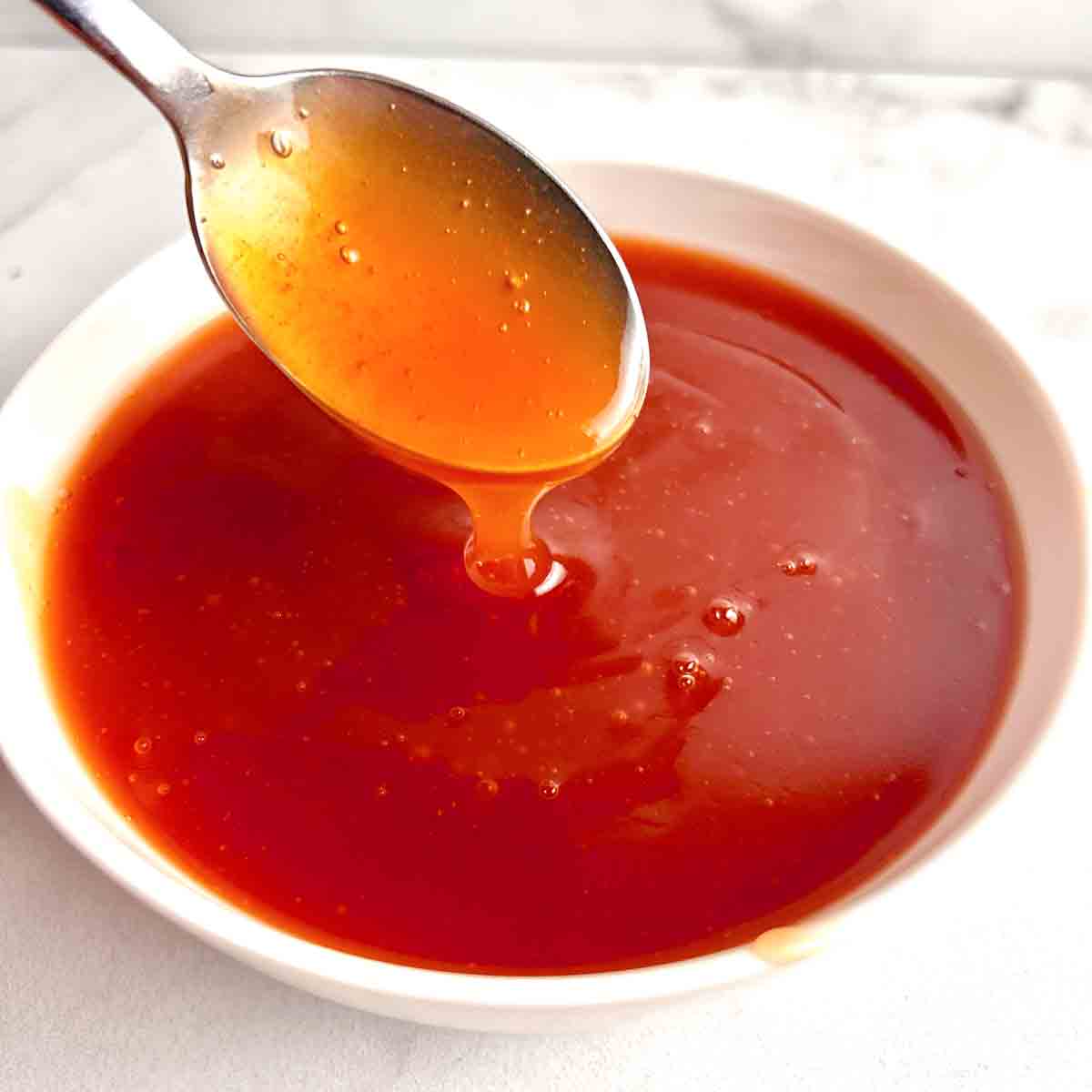
Thicken the Sauce: Once boiling, slowly pour in the cornstarch slurry while whisking vigorously. Continue to stir and simmer for 1-2 minutes, or until the sauce thickens to your desired consistency. It should coat the back of a spoon.
5.
Taste and Adjust: This is your moment to shine! Taste the sauce and adjust the balance as needed. If it's too sweet, add a touch more vinegar. Too sour? A little more sugar might do the trick. If it's too thick, stir in a tablespoon of water; if too thin, a tiny bit more cornstarch slurry (make sure to mix it with cold water first) can be added.
6.
Optional Enhancements: Remove from heat and stir in any optional additions like grated ginger, garlic, or a few drops of sesame oil.
And that's it! In under 10 minutes, you'll have a vibrant, delicious, and perfectly balanced
sweet and sour sauce ready to elevate any dish. For a more detailed walkthrough that ensures a professional result every time, explore our
Restaurant-Worthy Sweet & Sour Sauce: Easy Homemade Recipe.
Beyond the Basics: Serving Suggestions & Creative Uses
The versatility of homemade
sweet and sour sauce extends far beyond the classic sweet and sour chicken or pork. Once you have a batch ready, a world of culinary possibilities opens up.
*
Classic Dipping: This is arguably its most popular use. Serve it alongside spring rolls, egg rolls, dumplings, chicken nuggets, shrimp tempura, or even simple vegetable sticks for a flavorful snack.
*
Glazing Marvel: Brush it over grilled chicken, roasted salmon, or oven-baked tofu during the last few minutes of cooking for a beautiful, sticky glaze that caramelizes perfectly. It's also fantastic for meatballs, whether beef, turkey, or vegetarian.
*
Marinade Magic: Incorporate
sweet and sour sauce into your marinades for chicken, pork, or even firm tofu. The acidity helps tenderize, and the sugars create a lovely crust when cooked.
*
Stir-Fry Star: Instead of just being a side, integrate it directly into your stir-fries. Add it towards the end with your cooked vegetables and protein for a cohesive, flavorful dish that coats every ingredient beautifully.
*
Rice Bowl Boost: Drizzle a generous spoonful over simple rice bowls with grilled chicken, roasted vegetables, or a fried egg for an instant flavor upgrade.
*
Unexpected Pairings: Don't limit yourself to Asian cuisine. Try it as a tangy spread in a pulled pork sandwich, a unique dressing for a slaw, or even mixed into a barbecue sauce for a sweet and sour twist.
Its bright flavor profile makes it an excellent accompaniment to a wide variety of proteins and vegetables, encouraging culinary experimentation.
Maximizing Freshness: Sweet and Sour Sauce Storage Tips
One of the great advantages of making your own
sweet and sour sauce is the ability to prepare a larger batch and have it on hand for future meals. Proper storage is key to maintaining its freshness and flavor.
*
Refrigeration: Once your sauce has cooled completely, transfer it to a shallow, airtight container. Store it in the refrigerator, where it will remain fresh and delicious for up to 2-3 weeks. The vinegar acts as a natural preservative, contributing to its relatively long shelf life. Always ensure the container is tightly sealed to prevent absorption of other odors from the fridge and to maintain optimal freshness.
*
Freezing (Optional): For longer storage,
sweet and sour sauce can be frozen. Pour the cooled sauce into freezer-safe containers or even ice cube trays for convenient single-serving portions. It can be stored in the freezer for up to 3-4 months. Be aware that upon thawing, the texture might be slightly thinner or lose a tiny bit of its original sheen, but the flavor will remain excellent.
*
Reheating: When you're ready to use your stored sauce, simply reheat it gently on the stovetop over low heat, stirring frequently. If the sauce has thickened too much in the refrigerator (which is common due to the cornstarch), you can whisk in a tablespoon or two of water or broth until it reaches your desired consistency. For frozen sauce, thaw it overnight in the refrigerator before reheating.
*
Visual Inspection: Before using any stored sauce, always give it a quick visual check. Look for any signs of mold, unusual discoloration, or off-odors. If anything seems amiss, it's best to discard it.
By following these simple storage tips, you can ensure you always have a vibrant, flavorful batch of homemade
sweet and sour sauce ready to elevate your culinary creations at a moment's notice.
Conclusion
The journey to mastering homemade
sweet and sour sauce is a rewarding one. From understanding the synergistic roles of its core ingredients to effortlessly whipping up a batch in minutes, you gain not just a condiment, but a versatile culinary tool. The satisfaction of creating a vibrant, balanced, and utterly delicious sauce from scratch, free from artificial additives, is immense. So, put down that takeout menu, gather your kitchen staples, and prepare to elevate your meals with the incredible, customizable flavor of your very own
sweet and sour sauce. Your taste buds—and your weeknight dinners—will thank you.